The Logic That Failed the Tea Test
MOVE
It was a winter morning in India, just 15 minutes into the workday. My colleague approached me with an email draft, looking for approval on a decision backed by three years of data analysis. The logic seemed airtight: we should authorize a franchise partner to start operations in a neighboring city, less than 20 minutes away from the current city.
Our hypothesis was clear. The data showed that despite a competitor’s presence in that area, our business in the current city had grown. We were both ready to defend the "rational" choice—that opening this new location would have no negative impact. In fact, we believed the new partner would displace the competitor. We were preparing to recommend exactly what the CEO expected: a "go ahead" to expand.
SEE
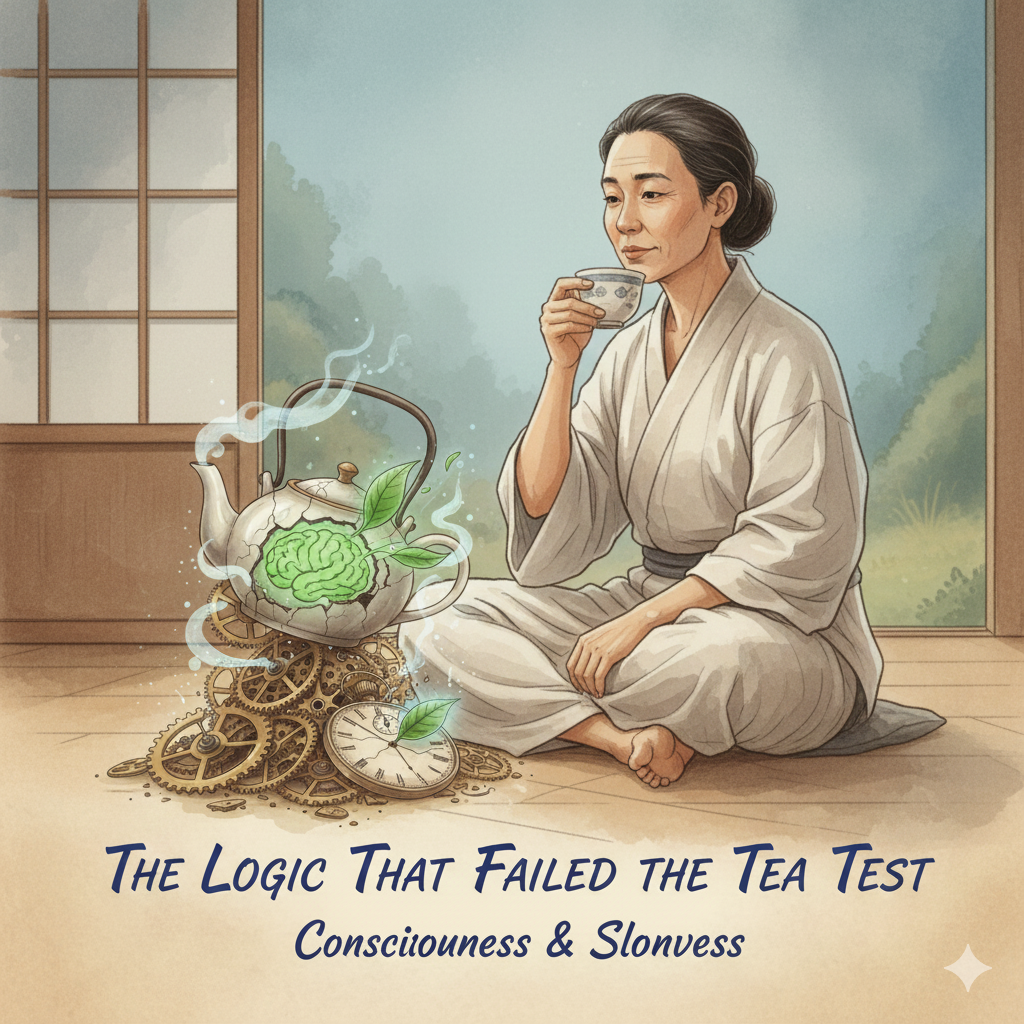
Then, my tea arrived. I took a sip and paused. In that brief moment of stillness, I asked a question that wasn't in the spreadsheet: "Why did you even come to me for this? I am not part of your team".
That instant of pause broke our momentum. Suddenly, I wasn't looking at the competitor’s impact; I was looking at our impact. I realized that if we allowed a franchise partner to open there, we wouldn't just be fighting the competition—we might be fighting ourselves. I asked my colleague to check the numbers for that specific scenario.
His eyes lit up. The impact wasn't zero; it was 30%.
What looked "rational" on paper changed in an instant. We were ready to send a biased response because it was what we wanted to see, and what the CEO expected to hear.
REFLECT
We often rely on frameworks like Porter’s 5 Forces or historical data to justify our decisions. We think we are being logical, but often we are just manufacturing a bias to suit the outcome we desire.
True leadership requires stepping out of the compartmentalization that complicates our lives. We try to be one person at work, another with family, another with friends, and another in private. We fracture our "soul" to fit these different simulations. When we try to act differently in every setting, we create internal noise that clouds our judgment.
The decision to be made in the present moment rarely comes from a textbook; it comes from a "gut" that is free from stress. By pausing to sip that tea, I stopped acting like a "corporate manager" and started thinking as an integrated human being.
Logic is like a map, but your gut is the compass. A map can show you the terrain (the data), but only the compass (your intuition) can tell you if you are actually heading in the right direction.
Member discussion